
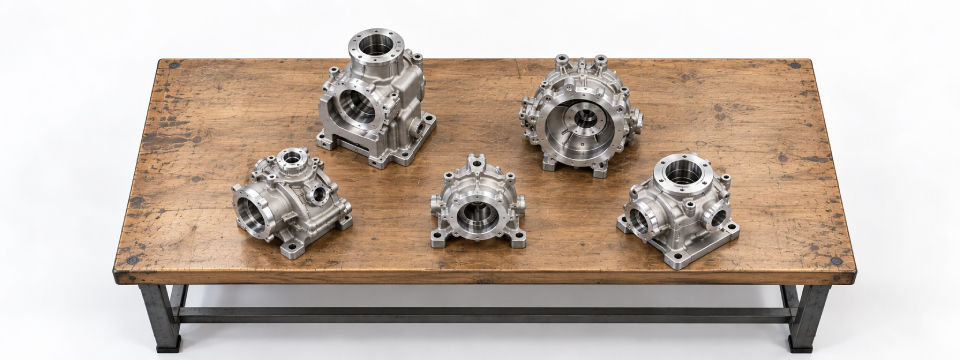
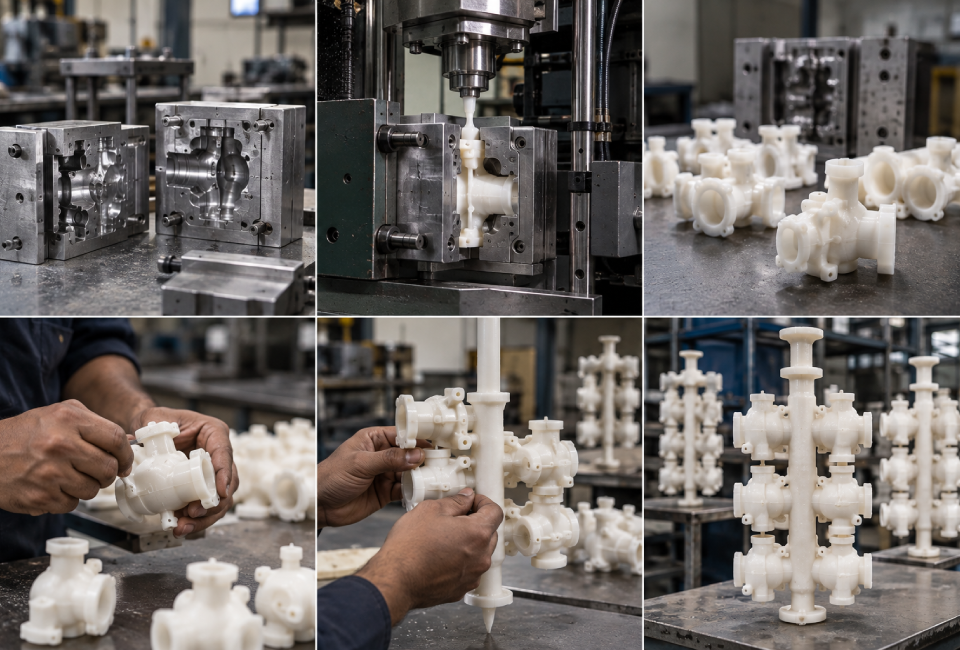
01 — PATTERN DEVELOPMENT
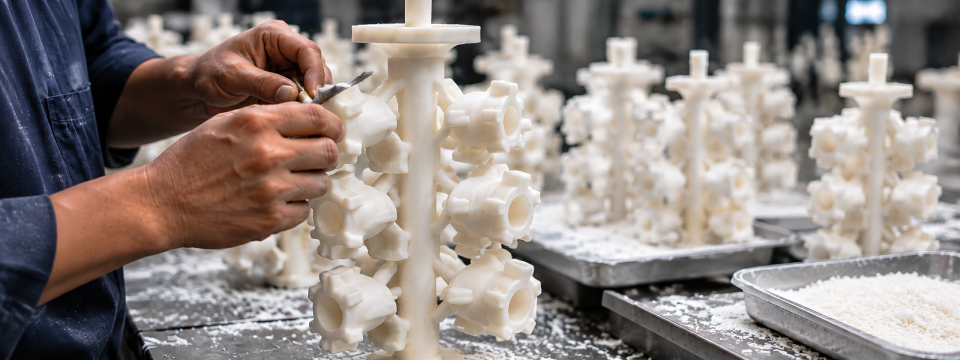
Creating the foundation for every precision casting.The process begins with precision tooling and wax pattern development. Wax is injected into the die to create accurate replicas of the required component. Individual patterns are then assembled to form the casting arrangement.
Wax is then injected into the die to create precise wax patterns. These individual patterns are carefully assembled to form the required casting arrangement, establishing the foundation for the subsequent ceramic shell and casting stages.
Process Steps :-
- Die Making
- Wax Injection
- Pattern Assembly
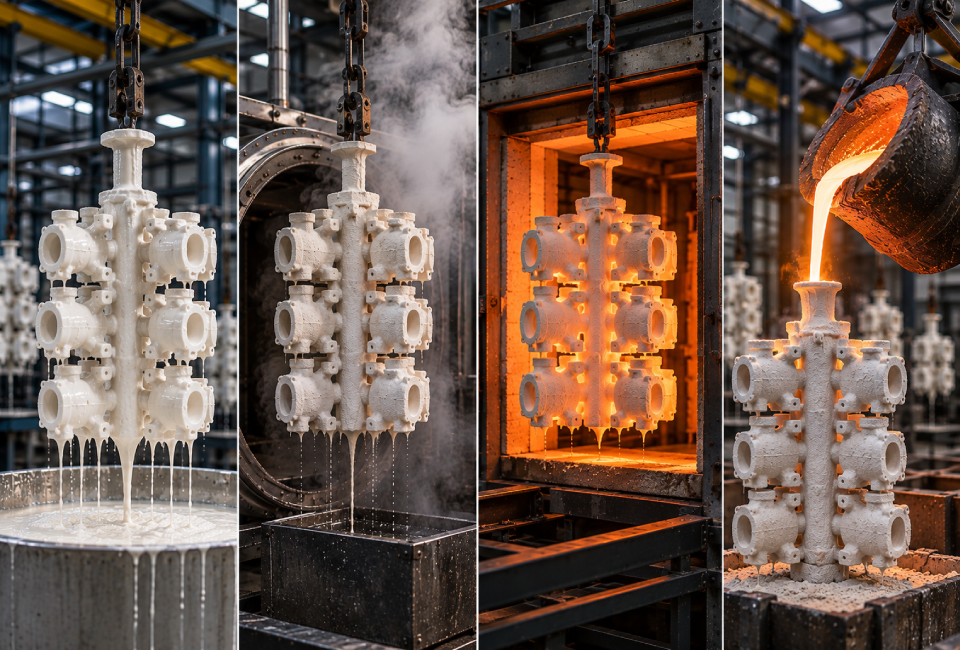
02 — CERAMIC SHELL & CASTING
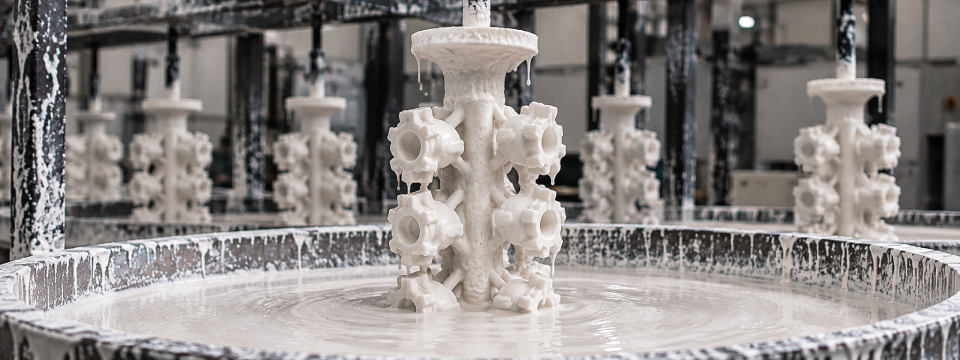
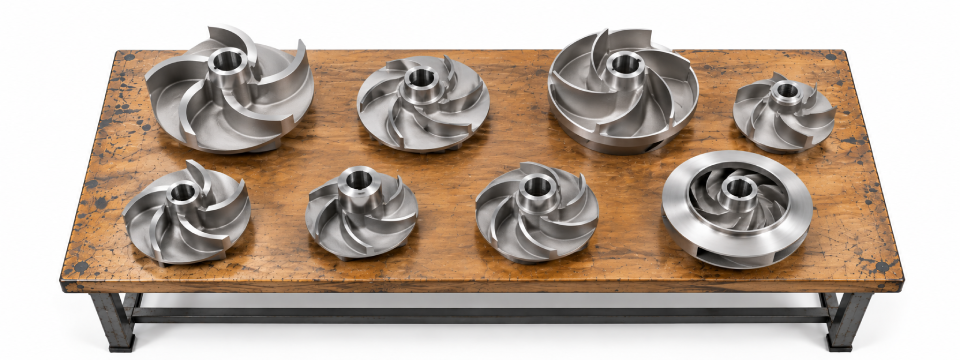
Building the mould and forming the component.The assembled wax patterns are repeatedly coated with ceramic slurry and refractory materials to build a strong, heat-resistant shell. The wax is then removed and the ceramic shell is preheated before molten metal is poured into the prepared cavity.
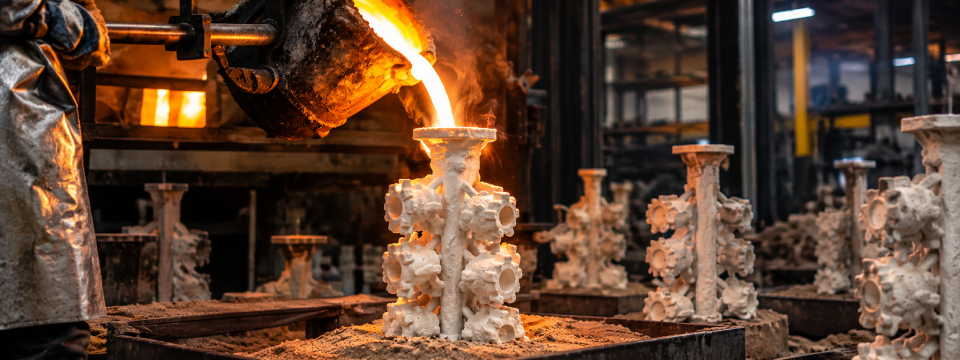
Once the shell reaches the required strength, the wax is removed and the ceramic shell is preheated. Molten metal is then poured into the prepared cavity, reproducing the detailed geometry of the original wax pattern.
Process Steps :-
- Shell Building
- Dewaxing
- Shell Preheating
- Metal Pouring
03 — POST-CASTING & FINISHING
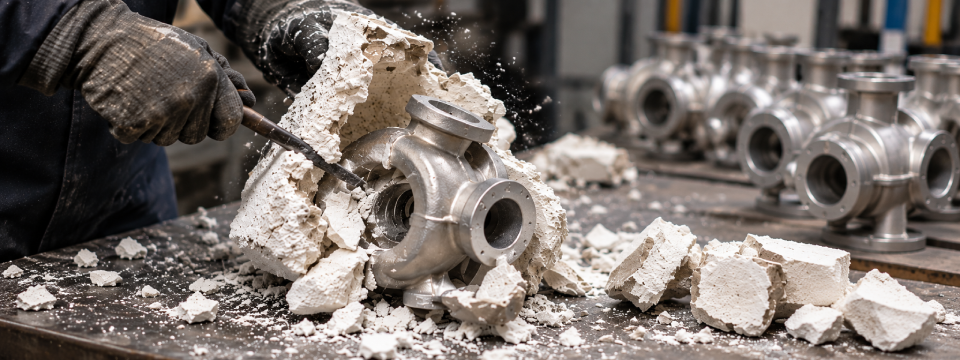
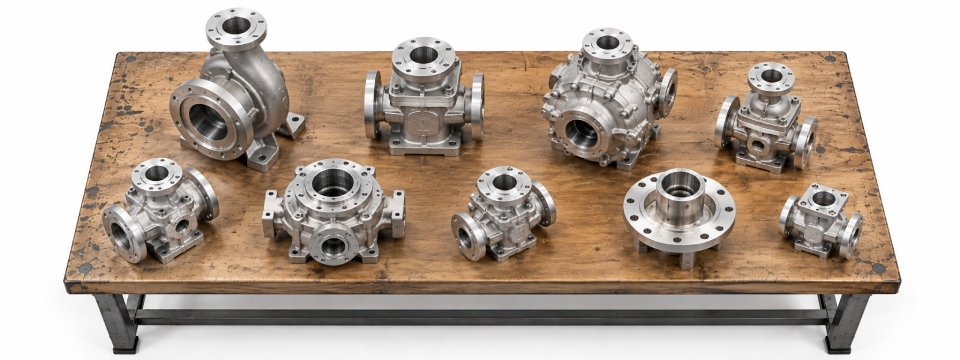
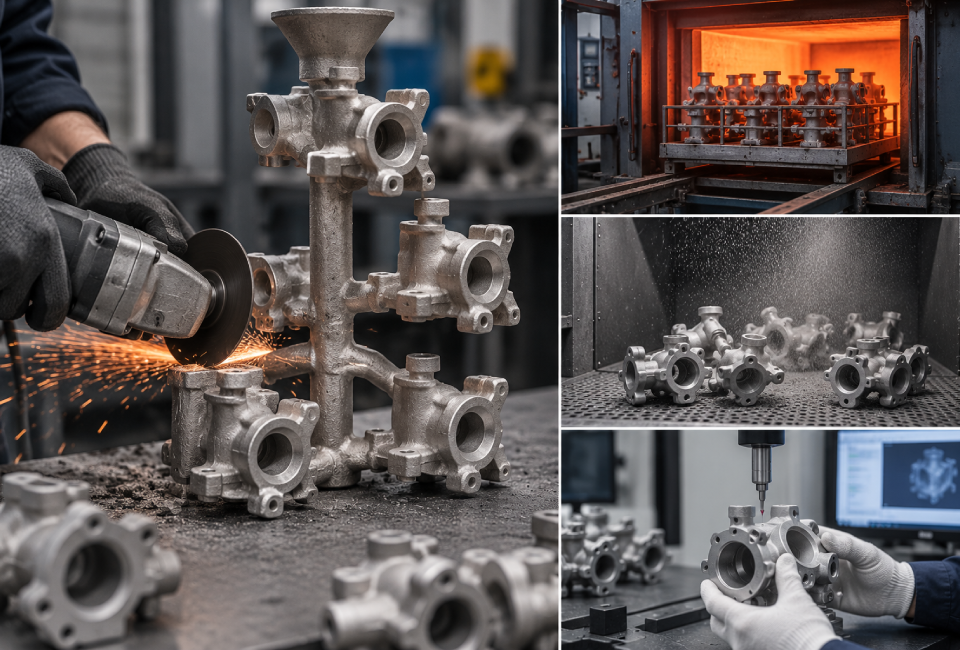
Transforming the raw casting into a refined component.After the molten metal has cooled and solidified, the ceramic shell is removed to expose the cast component. The casting is separated from the tree through controlled gate and riser cutting, preparing the individual components for further processing.
Depending on the component requirements, heat treatment and shot blasting are carried out to achieve the required material condition and surface finish. Each casting is then inspected before moving to precision machining.
Process Steps :-
- Gate & Riser Cutting
- Heat Treatment
- Shot Blasting
- Casting Inspection
04 — PRECISION MACHINING & FINAL INSPECTION
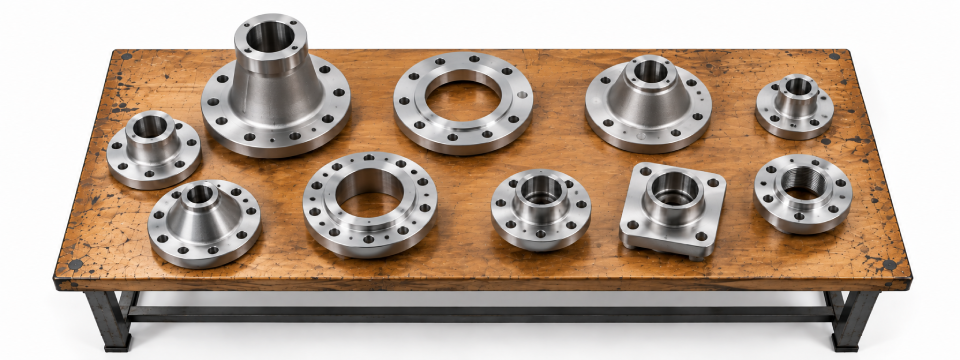
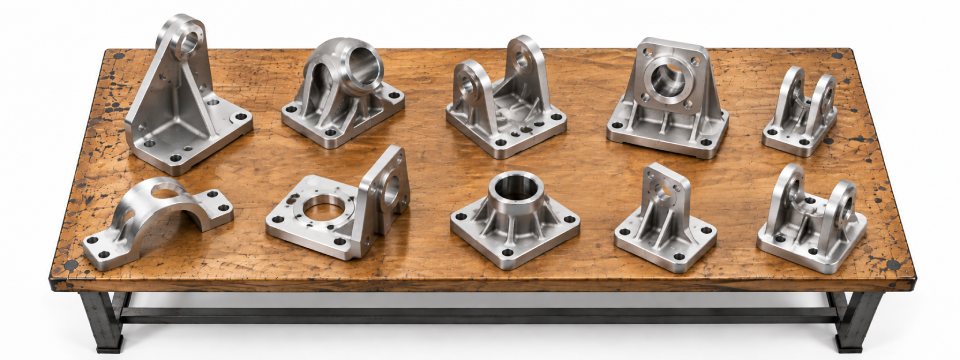
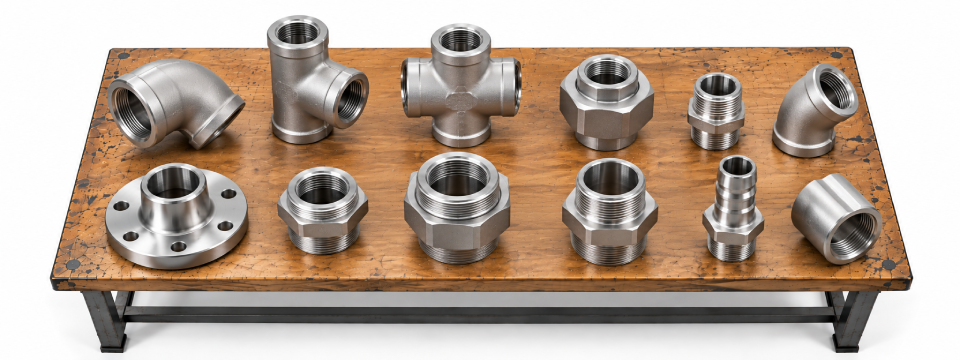
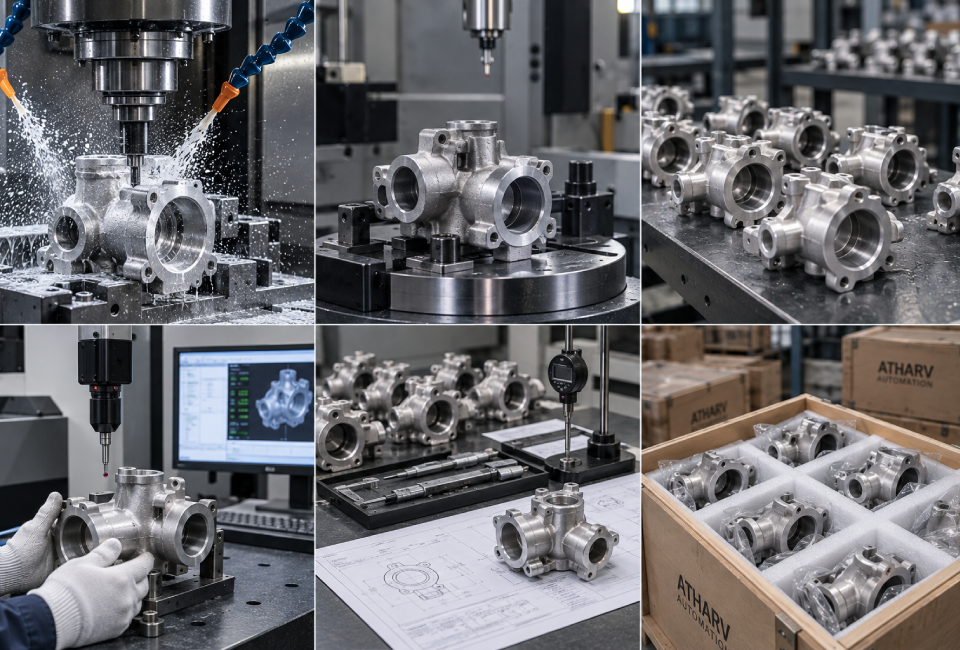
Finishing every component to its required specifications.Cast components undergo precision machining to achieve the required dimensions, tolerances and functional surfaces. CNC machining processes can be used for critical areas such as holes, mounting faces and other application-specific features.
Following machining, the finished components undergo final inspection to verify dimensional accuracy and required specifications. Approved components are then carefully prepared and packed for reliable delivery to the customer.
Process Steps :-
- Precision Machining
- Final Machining Inspection
- Packing